Transaction Pathways Connecting Loyalty Programs to Live Gaming Engagements and Feature Accumulation on Mobile Devices
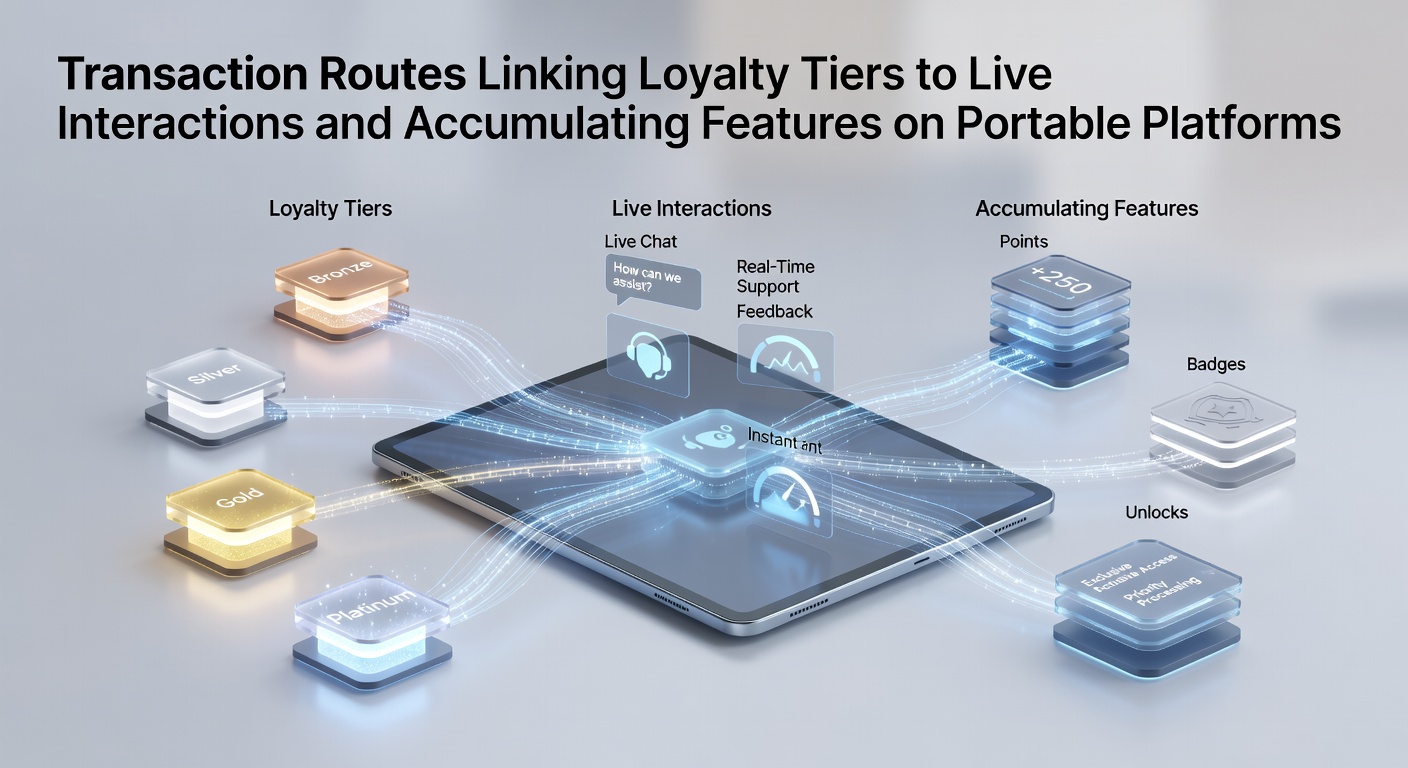
Payment systems in digital gaming environments now route transactions through integrated channels that tie loyalty tier status directly to live dealer sessions and the steady build-up of features on portable platforms. These routes handle deposits and withdrawals while syncing player progress across multiple game types and devices. Data from industry reports shows that such pathways allow real-time updates to tier benefits during active play sessions, and they support the accumulation of points or multipliers without interrupting the flow of live interactions.
Mechanics of Transaction Routes in Loyalty Integration
Transaction routes operate by embedding loyalty identifiers into each payment authorization step, which then triggers tier-specific adjustments in live gaming interfaces. When a player initiates a deposit on a mobile device, the system verifies tier level through secure APIs and applies corresponding multipliers to accumulating features such as bonus rounds or progressive contributions. Observers note that this process occurs in milliseconds, allowing seamless transitions between funding actions and ongoing live table engagements. Studies conducted by research institutions indicate that platforms using these routes experience higher retention rates because players see immediate impacts from their tier status on both live interactions and portable accumulation mechanics.
Linking Live Dealer Sessions Through Payment Channels
Live dealer sessions connect to loyalty tiers via dedicated transaction protocols that monitor activity and allocate rewards accordingly. A deposit made during a live roulette session, for example, can activate tier-based cashback percentages that feed directly into accumulating balance features on the same portable device. European Gaming and Betting Association reports highlight how these links reduce latency between payment confirmation and reward visibility, which keeps players engaged across extended sessions. Those who've examined platform architectures find that the routes also handle currency conversions and regional compliance checks without pausing the live stream or feature buildup processes.
Accumulation Features on Portable Platforms
Portable platforms accumulate features such as spin multipliers, level progress, and exclusive table access through transaction data that flows continuously between loyalty databases and game servers. Mobile users often trigger these accumulations via quick deposit options that recognize current tier standing and apply instant credits. Figures from gaming technology analyses reveal steady growth in mobile accumulation usage, with pathways supporting both fiat and digital asset transfers that update loyalty points in real time. And because the routes operate across operating systems, players maintain consistent progress whether switching between smartphones and tablets during live interactions.
Regional Developments Observed in June 2026
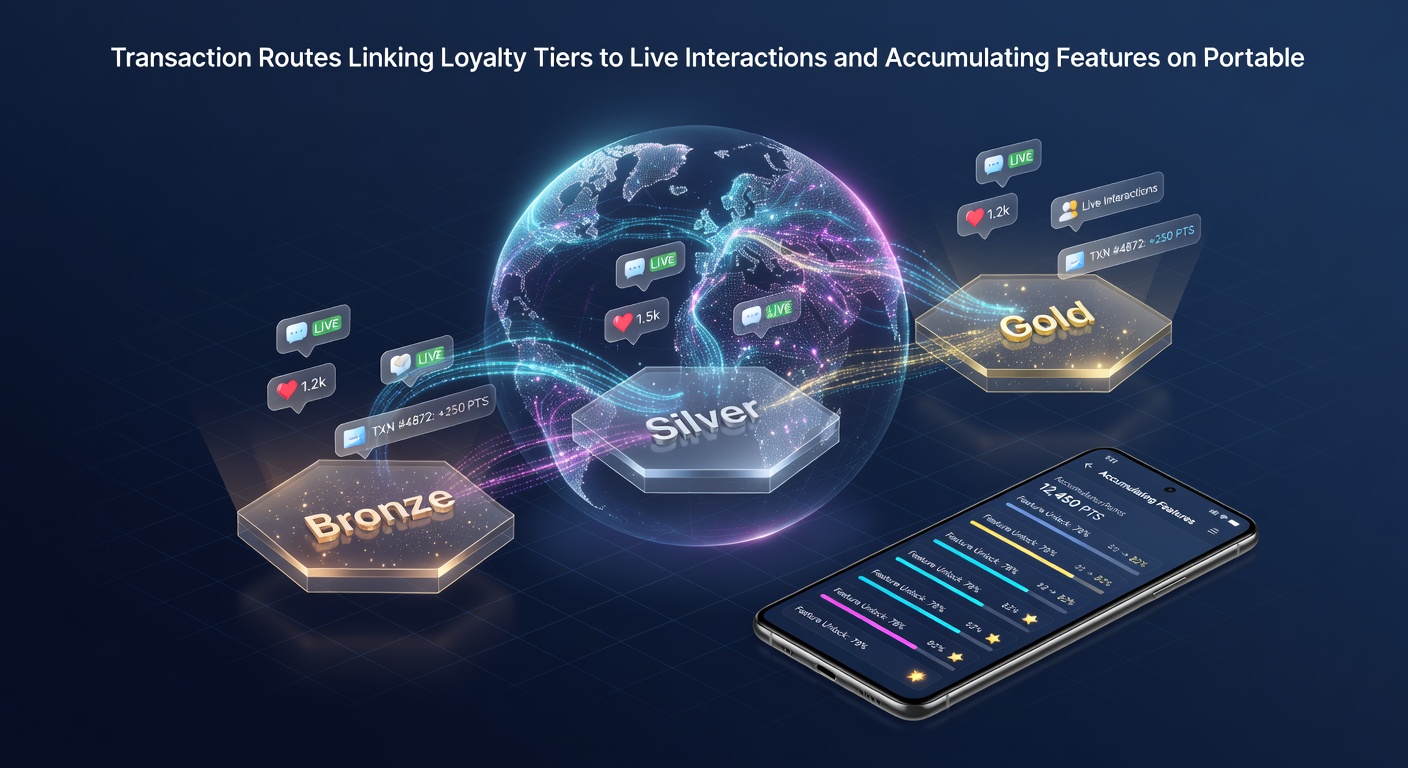
By June 2026 several regulatory frameworks outside the United Kingdom had updated guidelines on transaction transparency for loyalty-linked gaming systems. Canadian provincial authorities, through sources such as iGaming Ontario, released updated compliance standards that require clearer disclosure of how payments influence tier progression and live session rewards. These changes prompted platform operators to refine their route architectures for better audit trails while preserving teh speed of feature accumulation on mobile devices. Researchers at academic centers studying digital entertainment economics documented corresponding increases in cross-border transaction volumes that support loyalty integrations across live and portable environments.
Security and Compliance Elements in Route Design
Security protocols within these transaction routes incorporate multi-factor verification that protects loyalty data during live interactions and mobile accumulations. Encryption standards ensure that tier status and reward balances remain synchronized without exposing sensitive details. Gaming association publications emphasize that operators adopting these measures meet diverse international requirements, which facilitates smoother operations for players accessing platforms from various regions. What's interesting is how the same routes also enable responsible gaming tools, such as deposit limits tied to loyalty tiers, that activate automatically during live sessions on portable devices.
Case Examples of Integrated Systems
One documented implementation involved a North American operator that linked its loyalty tiers to live blackjack tables through mobile-first transaction routes, resulting in documented growth of accumulated feature usage among tiered players. Another example from Australian market analyses showed similar pathways supporting progressive jackpot contributions that update instantly after each funded live interaction. Those monitoring industry metrics point to these cases as evidence that streamlined payment connections enhance both loyalty retention and mobile platform engagement without introducing additional friction.
Conclusion
Transaction routes that connect loyalty tiers to live interactions and accumulating features continue to evolve on portable platforms through ongoing technical refinements and regulatory adjustments. Evidence from multiple sources demonstrates their role in maintaining synchronized player progress across payment, live gaming, and mobile reward systems. As platforms adapt to new standards, these pathways remain central to how loyalty benefits manifest during active sessions on portable devices.