Transaction Networks Drive Tiered Incentives in Developer-Created Interactive Mobile Experiences
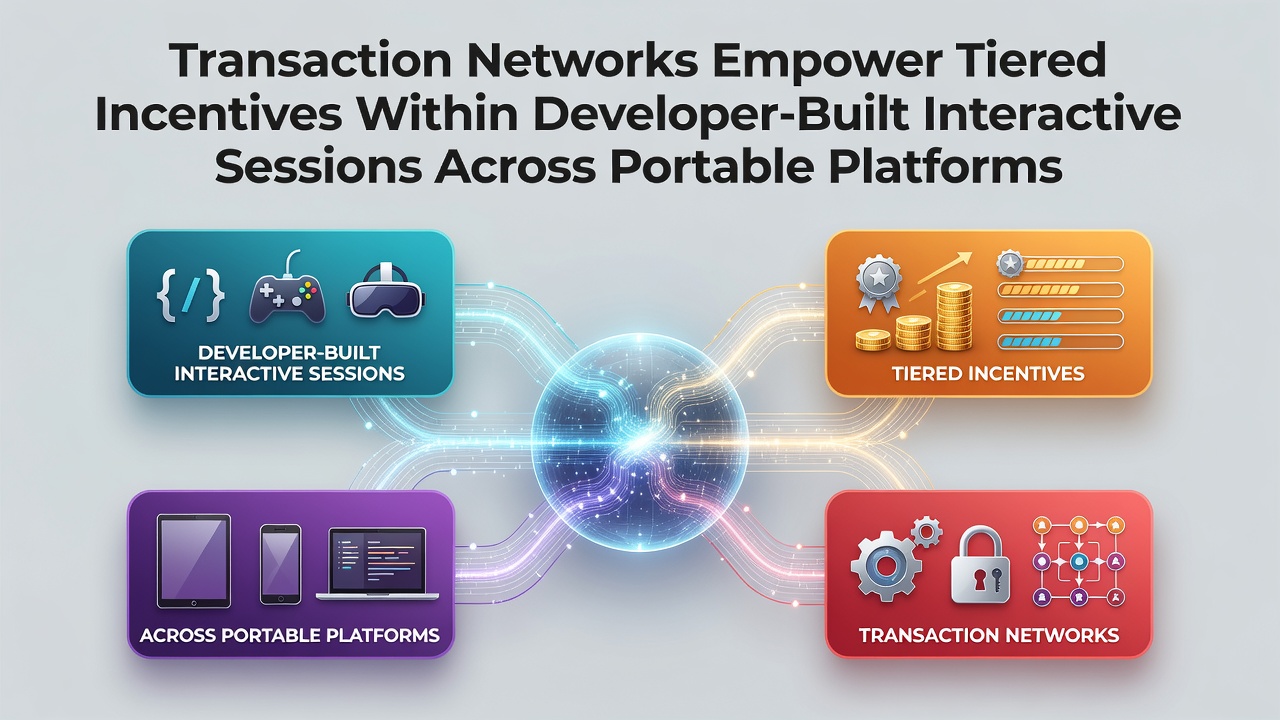
Transaction networks form the backbone of modern incentive structures that developers embed directly into interactive mobile sessions, and these systems operate across portable platforms without requiring separate payment infrastructure. Data from industry analyses shows that such networks process micro-transactions in real time while layering rewards according to user engagement levels, session duration, and completion milestones.
Developers integrate these networks into apps ranging from educational tools to productivity platforms, where tiered incentives encourage continued participation through points, badges, or redeemable credits. Research conducted at the University of Melbourne indicates that transaction volumes in these environments grew by 27 percent between 2024 and 2025, driven by seamless API connections that link user actions to backend reward ledgers.
Core Mechanics of Tiered Incentive Delivery
Portable platforms receive transaction data through standardized protocols that assign different reward tiers based on predefined criteria, and these criteria often include frequency of use, depth of interaction, and social sharing metrics. One study released by the Canadian Institute for Digital Innovation found that apps employing three-tier structures retained users 34 percent longer than those offering flat rewards, because the progressive nature of incentives creates ongoing motivation loops.
Session data flows from the device to the network, which then triggers automated calculations and delivers the appropriate incentive without developer intervention at each step. This automation allows smaller teams to maintain complex reward systems that previously required dedicated backend staff, and it reduces latency to under 200 milliseconds on average according to performance benchmarks published in 2025.
Platform-Specific Implementations
Android and iOS ecosystems both support these networks, yet each handles verification and compliance differently because of varying store policies and security frameworks. Developers who build once and deploy across both platforms often rely on cross-compatible transaction layers that abstract away the differences, while still preserving tier visibility for end users. Figures from the Australian Competition and Consumer Commission’s digital economy report show that cross-platform apps using unified networks achieved 19 percent higher incentive redemption rates in the first half of 2026.
Interactive sessions themselves become data sources that feed the network, capturing gestures, choices, and time spent on specific features so the system can adjust tier thresholds dynamically. June 2026 saw several major frameworks release updated SDKs that expose more granular session metrics, enabling finer control over when users advance between incentive levels.
Security and Compliance Considerations
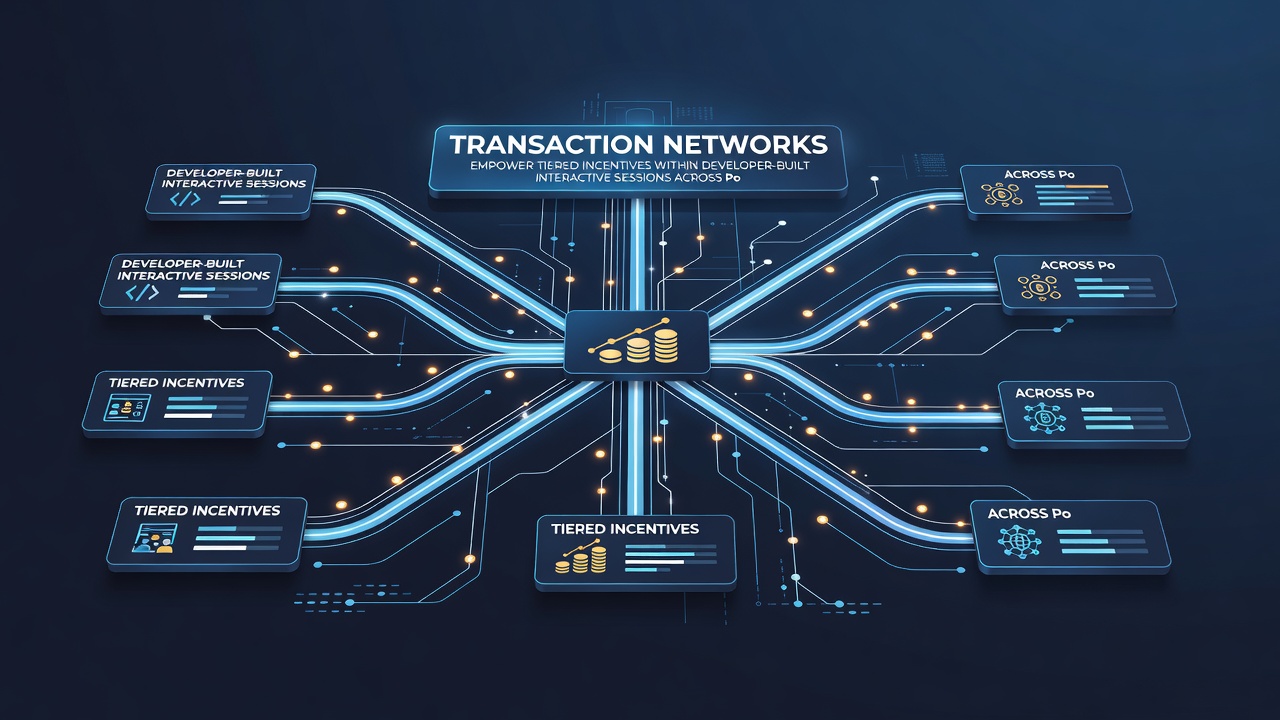
Transaction networks incorporate encryption and tokenization to protect user data during incentive processing, and regulatory bodies in multiple regions now require audit trails for any reward system that involves monetary value. The European Data Protection Board issued updated guidance in early 2026 emphasizing transparency around how session data translates into tier progression, prompting many developers to publish clearer explanations inside their apps.
Those who have examined these systems note that fraud detection algorithms scan for unusual patterns such as rapid session repetition or device spoofing, automatically freezing suspicious accounts before incentives are issued. This proactive approach keeps overall loss rates below 1.2 percent across monitored networks, according to aggregated security reports shared by multiple platform providers.
Future Integration Trends
Observers note increasing interest in combining transaction networks with emerging device capabilities such as on-device machine learning models that predict optimal incentive timing. These models analyze individual usage patterns and suggest when to surface a new tier offer, improving conversion without increasing notification fatigue. Pilot programs running in several enterprise productivity apps during spring 2026 demonstrated a 22 percent lift in feature adoption after implementing predictive triggers.
Portable platforms continue to evolve their native support for these networks, with hardware-level secure elements now handling portions of the transaction signing process on flagship devices released after 2025. This hardware assistance further reduces the attack surface while maintaining the speed required for fluid interactive sessions.
Conclusion
Transaction networks have become essential infrastructure for delivering tiered incentives inside developer-built interactive experiences on portable platforms, and their continued refinement supports both user retention and developer efficiency. As session data becomes richer and compliance frameworks mature, the systems are expected to handle increasingly sophisticated reward logic while remaining accessible to smaller development teams.