Tracing Connections Among Accumulating Prize Pools, Loyalty Structures, and Transaction Protocols Within App-Based Entertainment Ecosystems
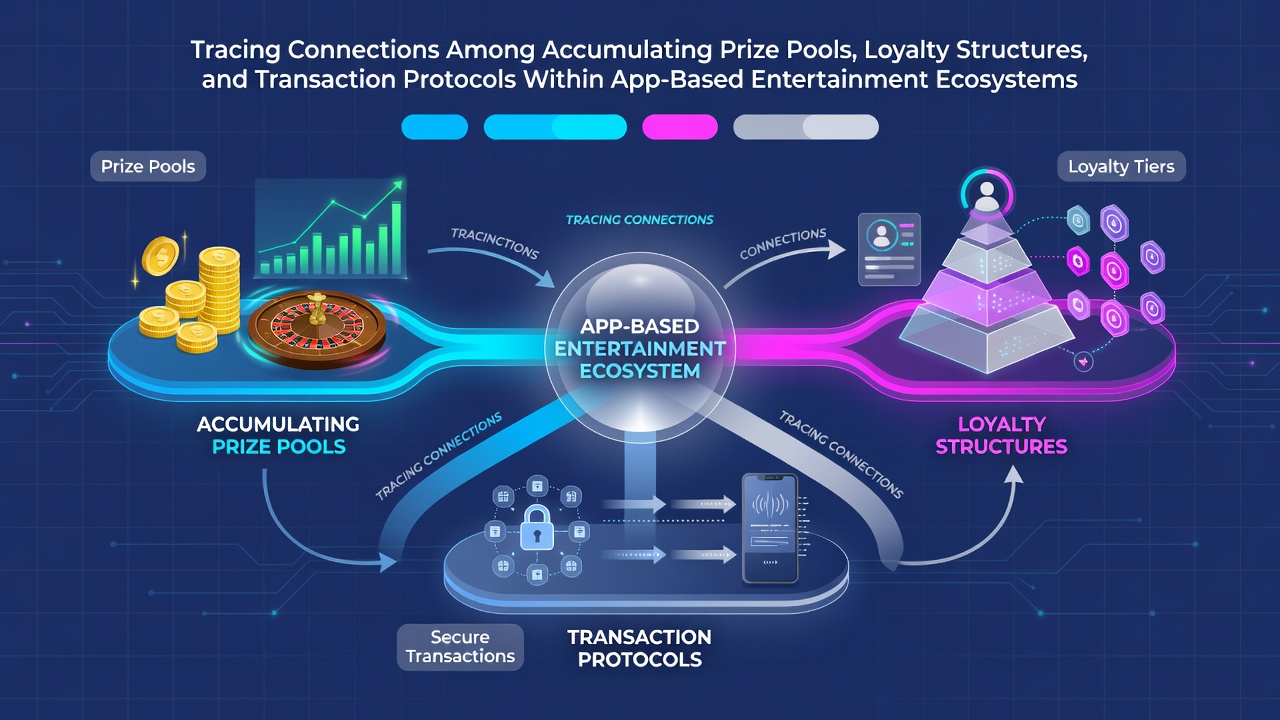
App-based entertainment ecosystems integrate accumulating prize pools with loyalty structures and transaction protocols to create interconnected systems that drive user participation across mobile platforms. Developers accumulate prize pools through microtransactions, entry fees, and sponsorship contributions while loyalty programs track engagement metrics to distribute tiered rewards. Transaction protocols handle the secure movement of funds that sustain both prize growth and reward fulfillment, with data from the Entertainment Software Association showing how these elements scale in competitive mobile titles.
Mechanics of Accumulating Prize Pools
Prize pools in app ecosystems build incrementally as users complete challenges, purchase virtual items, or enter tournaments, with funds often drawn from a percentage of in-app revenue streams. Game operators allocate portions of these revenues into centralized pools that grow over time, and external sponsors contribute fixed amounts tied to event milestones. Researchers at the University of California have documented how pool sizes correlate directly with transaction volume, noting that a single major title can see pools reach multimillion-dollar levels within weeks when participation spikes. And because contributions flow continuously, pools rarely remain static, instead expanding through automated rules embedded in the app backend.
Loyalty Structures and User Retention Patterns
Loyalty structures assign points or badges based on consistent activity, then convert those metrics into access tiers that unlock bonus entries or enhanced prize shares. Apps segment users by cumulative engagement data, granting higher tiers additional multipliers on pool contributions or exclusive challenges that feed back into the system. Industry reports from the Interactive Games and Entertainment Association reveal that retention rates increase when loyalty rewards align with pool distribution events, since participants return to maintain status and claim portions of growing funds. Those who've analyzed user behavior across platforms note that seamless integration between loyalty tracking and prize eligibility reduces churn while sustaining the economic loop.
Transaction Protocols Enabling Ecosystem Stability
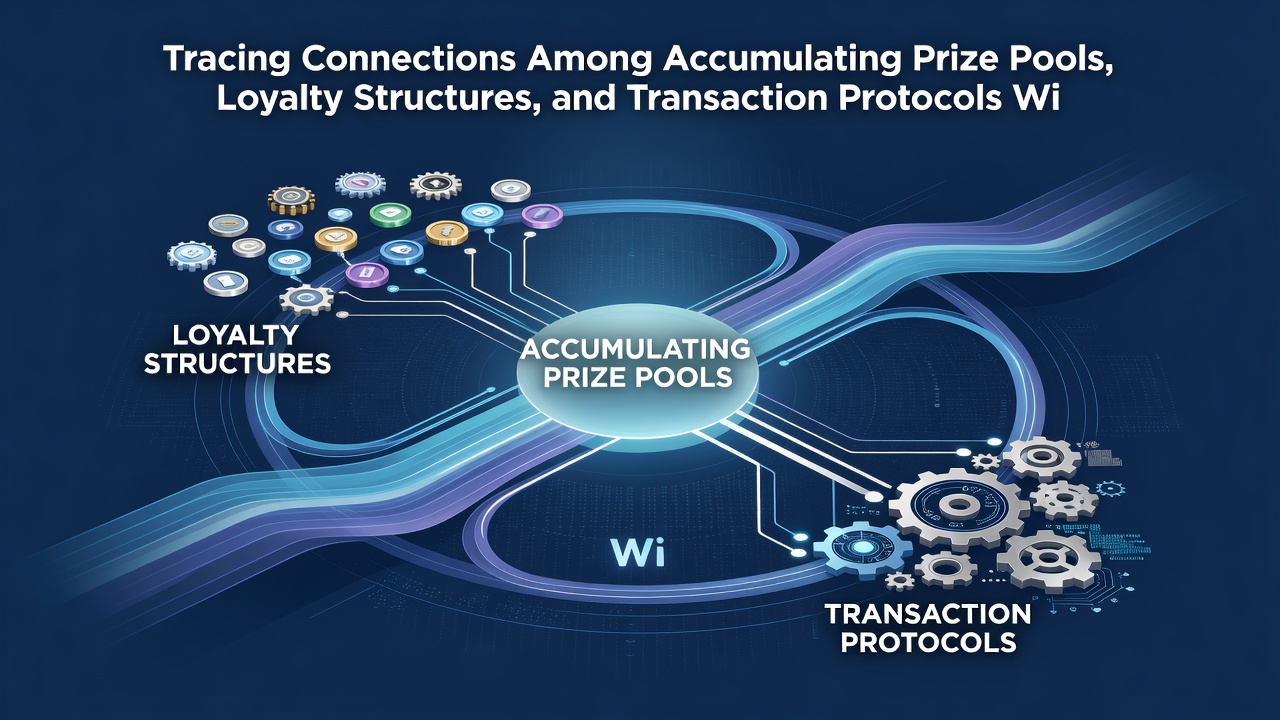
Transaction protocols manage authentication, encryption, and settlement for every payment that supports prize accumulation and loyalty redemptions. These systems route funds through verified gateways while logging each action to maintain audit trails required by platform operators and regulatory bodies. Data from the Australian Competition and Consumer Commission indicates that standardized protocols reduce processing failures by over 40 percent in high-volume entertainment apps, allowing prize pools to receive contributions without interruption. Protocols also enforce compliance checks that verify user eligibility before loyalty rewards convert into monetary or virtual prizes.
Interlinked Dynamics Across Systems
Connections emerge when loyalty tiers determine eligibility for larger prize slices, and transaction records simultaneously update both pool totals and user status. One study from the MIT Media Lab traced how a delay in protocol verification can stall reward distribution, which in turn slows new contributions to the pool. Observers note that apps achieve tighter integration by embedding loyalty logic directly into the transaction layer, so every purchase automatically adjusts pool balances and tier standings. This creates feedback loops where increased engagement accelerates both accumulation and redemption cycles without manual intervention.
Regulatory and Technical Developments Around Mid-2026
Platform policies scheduled for implementation in July 2026 require enhanced transparency in how prize pools receive funding from transactions and how loyalty points translate into cash-equivalent rewards. Developers have begun updating protocol layers to include real-time reporting features that satisfy these upcoming standards across multiple regions. European data protection authorities have issued preliminary guidance emphasizing secure handling of user financial data within these interconnected systems, prompting further refinements in encryption methods used by entertainment apps.
Conclusion
The interplay among accumulating prize pools, loyalty structures, and transaction protocols forms the operational backbone of many app-based entertainment ecosystems, with each component reinforcing the others through continuous data exchange. As platforms prepare for July 2026 policy shifts, the technical linkages that connect these elements continue to evolve in response to both user demand and oversight requirements.