Studio Integration Patterns Transform Loyalty Access Across Wireless Progressive Formats
Written by Mia Hoffmann · Aug 5, 2026
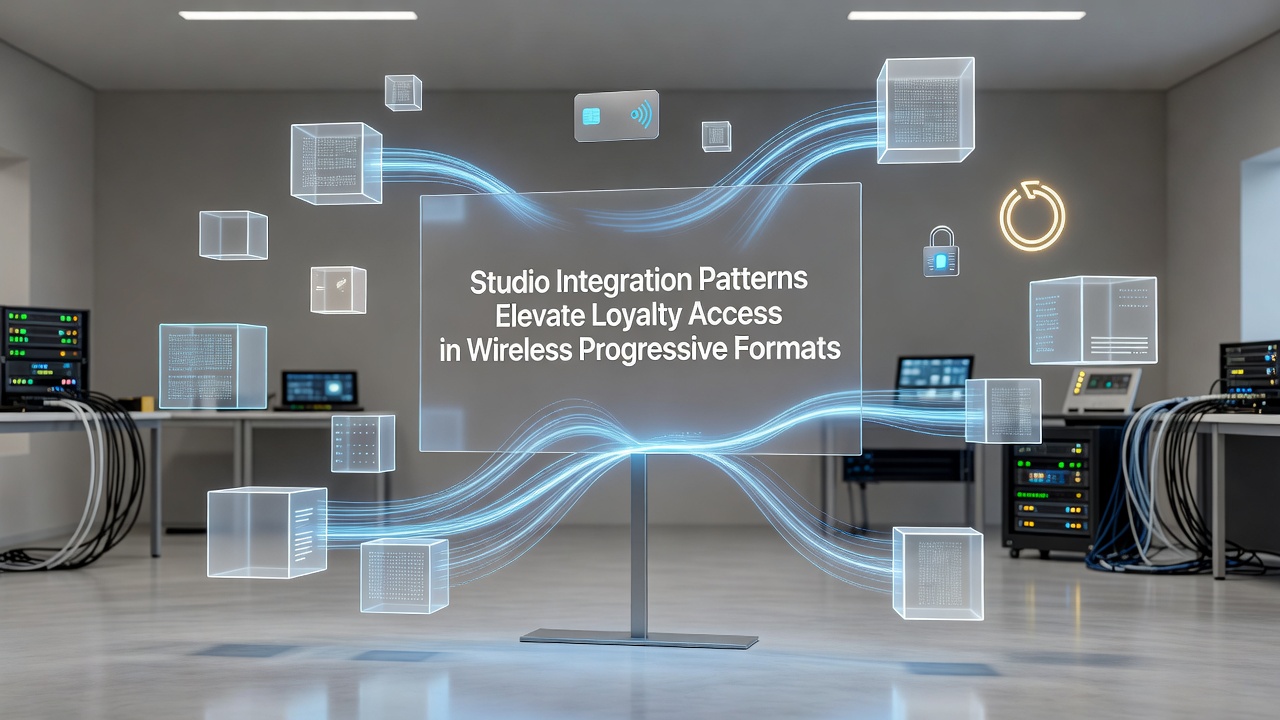
Studio Integration Patterns Transform Loyalty Access Across Wireless Progressive Formats
Studio integration patterns now drive enhanced loyalty access in wireless progressive formats as operators combine backend systems with mobile delivery channels, and data from multiple regions shows measurable uptake in player retention metrics throughout 2026. Industry observers note that these patterns allow seamless data exchange between game studios, payment processors, and loyalty engines, which reduces latency and supports real-time reward allocation during progressive jackpot sessions.
Core Components of Studio Integration Patterns
Developers apply modular API frameworks, event-driven architectures, and standardized data schemas to connect disparate studio environments with wireless platforms, while research from the University of Nevada, Reno indicates that such structures cut integration timelines by up to 40 percent when deployed in progressive jackpot ecosystems. Operators gain the ability to push loyalty points, tier upgrades, and personalized offers directly into active game sessions without interrupting wireless data streams or requiring separate authentication layers.
Wireless progressive formats rely on continuous server-to-device synchronization for jackpot accumulation, and integration patterns embed loyalty hooks at the protocol level so that every spin or wager triggers simultaneous updates to player accounts. This approach eliminates the need for post-session batch processing that previously delayed reward visibility for users on mobile networks.
Technical Architecture Supporting Loyalty Elevation
Engineers deploy microservices that isolate loyalty logic from core game engines, allowing independent scaling during peak wireless traffic periods, and figures released by the Nevada Gaming Control Board in August 2026 confirm rising adoption rates among operators handling multi-state progressive pools. These services communicate through secure WebSocket connections that maintain session persistence even when players switch between Wi-Fi and cellular networks.
Data pipelines feed real-time telemetry from wireless devices back into central loyalty repositories, which enables dynamic adjustment of reward thresholds based on individual play patterns across progressive formats. Observers note that this closed-loop system supports compliance with varying jurisdictional requirements while preserving a consistent user experience.
Implementation Examples Across Markets
One North American operator rolled out an integration pattern that links studio content libraries directly to a loyalty token system, resulting in immediate point accrual during progressive jackpot contributions on mobile devices. Canadian regulatory filings show similar deployments where loyalty access now occurs within the same data packet that reports wager outcomes, reducing server calls and preserving battery life on wireless handsets.
European providers have adopted containerized integration modules that allow rapid deployment across different wireless carriers, and academic papers from the Technical University of Denmark highlight how these modules maintain cryptographic integrity for both jackpot and loyalty data streams. The patterns accommodate regional differences in data residency rules without requiring separate loyalty codebases for each market.
Performance Metrics and Adoption Trends
Industry reports compiled by Gaming Laboratories International document average increases in loyalty program engagement of 22 percent following pattern implementation in wireless progressive environments. Session duration extends when players receive instant visibility into accumulating rewards tied to progressive contributions, and network latency measurements indicate that properly architected integrations add less than 50 milliseconds to transaction processing times.
Wireless carriers have begun offering dedicated APN configurations optimized for gaming traffic that includes loyalty synchronization, which further stabilizes connections during high-volume jackpot events. Those who have studied deployment logs report fewer dropped sessions and higher completion rates for reward redemptions initiated mid-game.
Future Developments in Integration Standards
Standards bodies continue to refine protocols that embed loyalty metadata within existing progressive jackpot communication frameworks, and preliminary drafts circulated in mid-2026 outline support for cross-studio loyalty portability across wireless formats. These advancements build on current patterns by introducing unified identity tokens that persist across different game providers and network conditions.
Conclusion
Studio integration patterns continue to reshape how loyalty access functions within wireless progressive formats by streamlining data flows and enabling real-time interactions. Evidence from regulatory filings, academic studies, and technical deployments demonstrates consistent gains in engagement metrics and operational efficiency across multiple jurisdictions. As standards evolve, the underlying architectures support broader interoperability while maintaining security and compliance requirements essential to the sector.