Software Synergies Fueling Combined Experiences of Slot Mechanics, Real-Time Tables, and Tiered Incentives on Handheld Devices
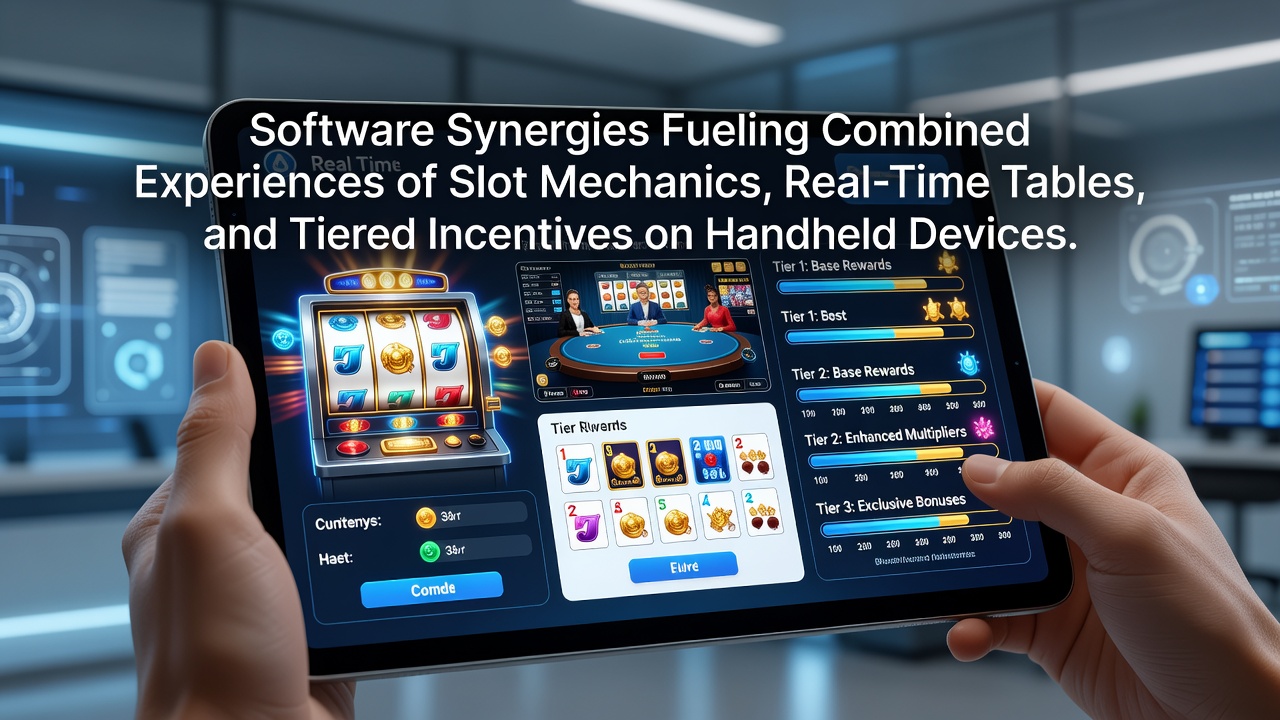
Developments in cross-platform software frameworks have enabled handheld devices to deliver unified sessions where slot mechanics operate alongside real-time table environments and dynamic reward structures, all within single applications. These integrations rely on shared data pipelines that synchronize random number generators with live video streams while tracking player progression across multiple game categories simultaneously.
Core Technical Integrations
Modern mobile gaming platforms employ modular APIs that connect slot engines directly to live dealer servers, allowing seamless switches between automated reel sequences and interactive table rounds without separate logins or balance transfers. Data synchronization occurs through low-latency protocols that update both game states and user profiles in real time, supporting consistent performance across iOS and Android ecosystems. In June 2026 several major operators deployed enhanced middleware layers that reduced transition delays between slot sessions and live blackjack tables to under two seconds on average.
Unified account systems further tie these elements together by maintaining single wallets that apply tiered multipliers to both slot outcomes and table results. Players advance through loyalty levels based on combined activity metrics, with software algorithms calculating points from spins, bets placed at live tables, and session durations in one consolidated ledger. This approach eliminates the need for separate tracking modules that previously fragmented user data across distinct game verticals.
Slot Mechanics adn Live Table Synchronization
Slot software now incorporates hooks that mirror live table events, such as adjusting bonus features in response to concurrent poker or roulette activity on the same platform. Real-time data feeds from physical or virtual tables influence slot RTP displays and trigger shared progressive elements that accumulate across both formats. Observers note that such linkages create extended play loops where outcomes from one mechanic feed directly into opportunities in the other, supported by backend servers that process multiple data streams concurrently.
Handheld optimization plays a central role here, with responsive interfaces adapting control schemes based on whether users engage slot reels or live dealer controls. Touch gestures optimized for portrait mode maintain accuracy during rapid switches, while background processes preload table streams to prevent buffering when users move from slots. Research from the University of Nevada, Las Vegas Center for Gaming Research indicates that these combined systems have expanded average session lengths in mobile environments where users access multiple game types without exiting the application.
Tiered Incentive Structures in Unified Platforms
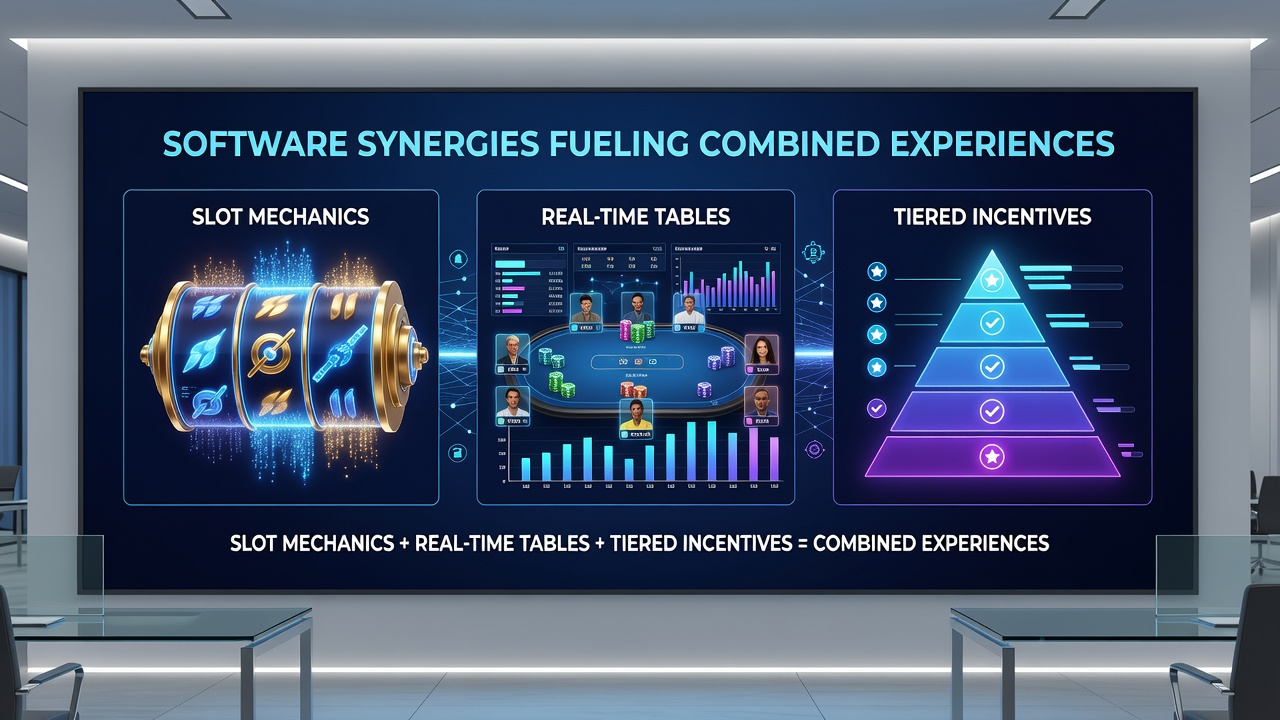
Tiered programs operate through centralized engines that assign status levels according to aggregate wagering volume across slots and live tables, then distribute benefits like cashback percentages or exclusive access codes that apply universally. Software updates in recent cycles introduced dynamic tier adjustments that respond to real-time activity rather than fixed daily or weekly resets, enabling immediate recognition of progress during active sessions. These systems pull data from both automated slot logs and live dealer transaction records to maintain accurate level tracking without manual intervention.
Examples include platforms where reaching a mid-tier unlocks enhanced free spin allocations usable on slot titles and simultaneous table rake reductions during live play. Integration with payment gateways ensures that reward redemptions occur instantly across categories, with the same verification layers applied to all transaction types. Industry reports from the American Gaming Association show increased adoption of such unified loyalty frameworks among operators targeting mobile-first audiences.
Platform Architecture and Data Handling
Backend architectures supporting these experiences utilize microservices that isolate game logic while sharing user state databases, allowing independent scaling of slot clusters and live streaming services. Security protocols encrypt all cross-module communications, including those handling tier progression data and live table interactions. Compliance with regional standards requires audit trails that log every transition between game types, a process automated through software that timestamps and categorizes each action within the unified session record.
Developers continue refining these systems to accommodate higher concurrent user loads on handheld networks, incorporating edge computing nodes that reduce dependency on central servers during peak periods. The result appears in smoother performance metrics reported across multiple device generations, with frame rates and input responsiveness preserved even when multiple game components run in parallel.
Conclusion
Software synergies continue to reshape mobile gaming by merging slot mechanics, real-time tables, and tiered incentives into cohesive experiences that operate efficiently on handheld devices. These advancements rest on interconnected data systems and optimized interfaces that support fluid movement between formats while maintaining consistent reward tracking. As platforms evolve, further refinements in synchronization and incentive delivery will likely expand the scope of what single applications can deliver to users.