Provider Alliances Transform Tiered Incentives in Mobile Live Table Gaming

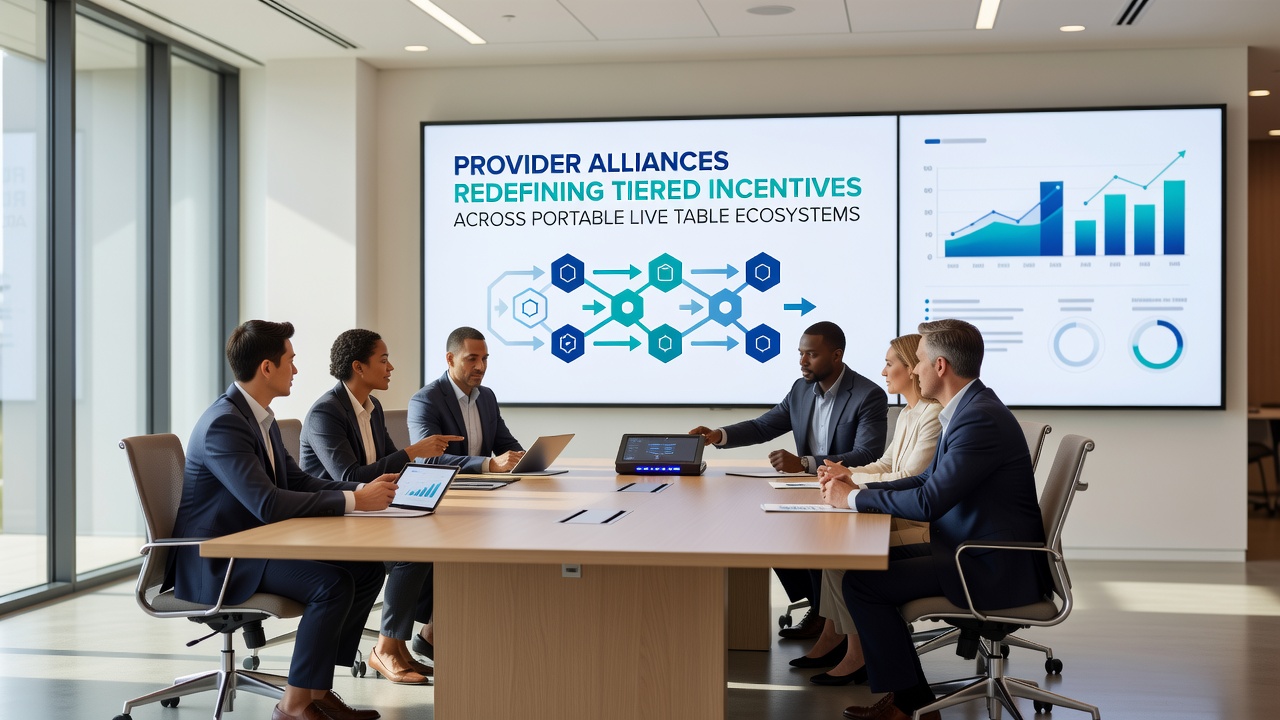
Provider alliances have begun reshaping how tiered incentives operate across portable live table ecosystems, with partnerships between game developers and platform operators driving new structures for player rewards in mobile environments. These collaborations focus on live dealer tables accessible via smartphones and tablets, where incentives such as loyalty points, bonus multipliers, and access levels adjust dynamically based on participation metrics.
Data from industry reports indicate that such alliances formed in multiple regions during 2025, enabling providers to pool resources for shared incentive frameworks that scale across different device types and game variants. Observers note that portable live table ecosystems, including blackjack, roulette, and baccarat sessions streamed in real time, benefit from these unified systems because they reduce fragmentation in reward distribution.
Expansion of Portable Platforms and Incentive Models
Portable live table ecosystems expanded rapidly as operators integrated mobile-optimized streaming technologies with backend systems that track player activity across sessions. Alliances among providers allowed for standardized tier definitions, where entry-level participants receive basic multipliers while higher tiers unlock exclusive table access and accelerated point accumulation. Research from gaming associations shows participation in these tiers increased by measurable margins in markets outside traditional regulatory strongholds, with figures revealing growth tied to cross-provider data sharing agreements.
Those who studied early implementations found that tiered incentives became more responsive when multiple providers contributed to a common pool of rewards. For instance, one partnership between a European software firm and an Asian platform operator synchronized bonus releases across live tables, allowing players to carry progress between different game types without resetting their status.
Regulatory Timelines and July 2026 Adjustments
Changes scheduled for July 2026 in certain jurisdictions prompted providers to accelerate alliance formations, as new compliance requirements around incentive transparency took effect. These adjustments required clearer documentation of how tiers calculate rewards, leading alliances to adopt unified reporting tools that operate across portable devices. Industry organizations documented cases where preemptive collaborations helped operators meet the deadlines while maintaining consistent player experiences in live table formats.
What's interesting is how these timelines intersected with technological upgrades, such as enhanced encryption for mobile streams and improved latency controls that support uninterrupted play. Providers in North America and Australia reported similar patterns, with data indicating that alliances helped distribute the costs of compliance upgrades more evenly among participants.
Case Examples from Global Markets
One documented case involved a consortium of three providers that launched a shared tier system for live roulette tables on portable platforms, resulting in synchronized reward rates that adjusted based on total session volume rather than isolated game activity. Figures from this initiative showed higher retention rates among participants who moved between different alliance members' offerings. Another example emerged in Canada, where a research paper from a university gaming studies department highlighted how tiered incentives linked to portable baccarat sessions drew on combined datasets to personalize offers without violating privacy standards.
Observers note that such examples demonstrate the practical outcomes of alliances, including reduced duplication in reward processing and more fluid transitions between incentive levels. External sources like the American Gaming Association have published overviews of similar developments in integrated markets, while reports from the Australian Gambling Research Centre detail parallel trends in tier restructuring for mobile environments.
Technical Integration and Data Sharing Mechanisms
Alliances rely on technical integrations that connect disparate backend systems, allowing real-time updates to player tiers during live table sessions on portable devices. These mechanisms use APIs to exchange activity data securely, ensuring that incentives reflect cumulative engagement rather than single-provider metrics. Experts have observed that this approach minimizes discrepancies when players switch between tables hosted by different alliance members.
Studies found that data sharing protocols developed through these partnerships also support compliance with emerging standards for reward fairness. Portable ecosystems particularly benefit because mobile users often engage in shorter, more frequent sessions, requiring incentive models that adapt quickly without manual intervention.
Conclusion
Provider alliances continue to influence tiered incentive structures within portable live table ecosystems by establishing shared frameworks that respond to both technological capabilities and scheduled regulatory shifts. As July 2026 approaches, these collaborations provide operators with tools to maintain consistency across mobile platforms while meeting transparency requirements. Data and case examples from various regions illustrate the measurable effects on player participation and system efficiency, underscoring the ongoing evolution of these interconnected gaming environments.