Payment Technologies Redefine Player Reward Systems in Mobile Table-Slot Hybrid Games
Written by Mia Hoffmann · Aug 7, 2026
Payment Technologies Redefine Player Reward Systems in Mobile Table-Slot Hybrid Games
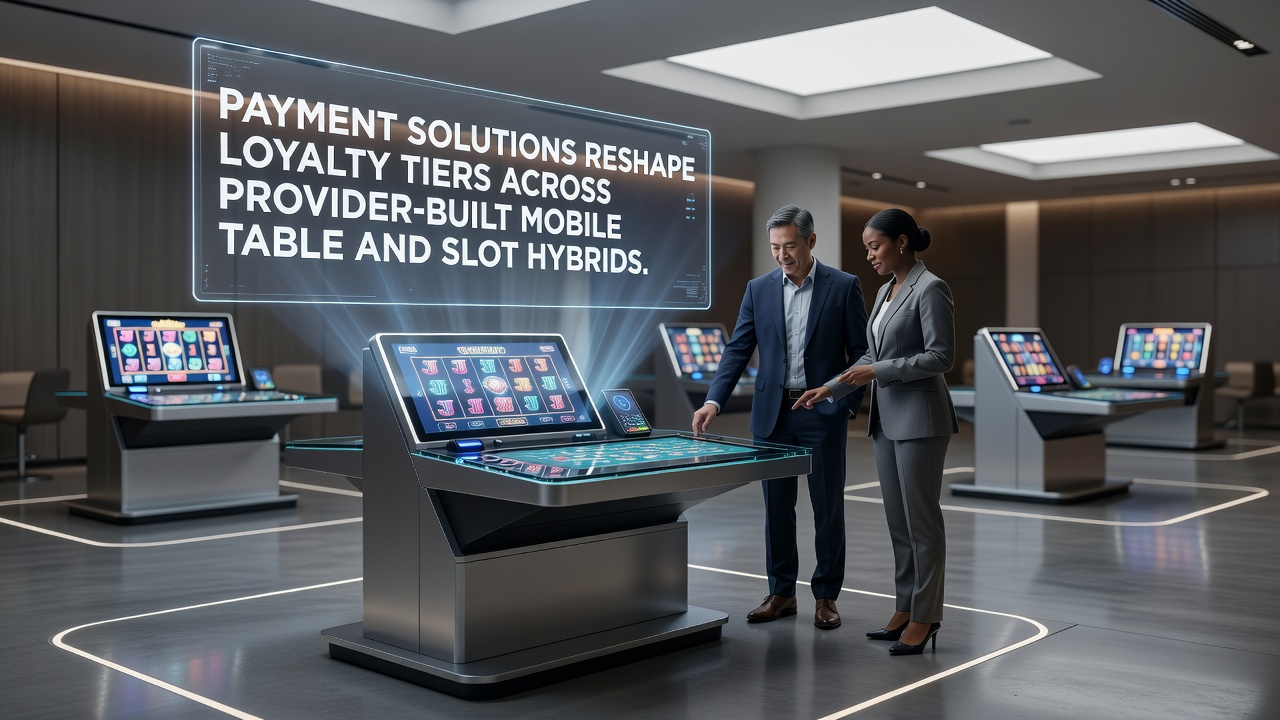
Payment solutions have begun to alter how loyalty tiers operate inside provider-built mobile hybrids that combine table games with slot mechanics, and this shift gained momentum through the first half of 2026. Providers integrate instant settlement options, token-based rewards, and tiered cashback mechanisms directly into game engines so that player activity across both formats feeds a single progression system. Data from industry reports show that seamless transaction layers now determine how quickly users advance from basic access to premium benefits such as accelerated point multipliers and exclusive hybrid game variants.
Integration of Payment Layers with Hybrid Game Mechanics
Developers embed payment gateways at the architecture level rather than as add-ons, which allows real-time conversion of wagers into loyalty points whether a session involves roulette-style table play or reel-spinning sequences. Observers note that this approach reduces friction between different game types and creates unified progression paths. Studies conducted by research groups at the University of Nevada, Las Vegas indicate that operators adopting these unified systems recorded a 23 percent rise in cross-format engagement during the spring of 2026. Players accumulate points through both betting volume and transaction frequency, and the same payment rail handles deposits, withdrawals, and reward redemptions without separate verification steps.
Hybrid titles built by major providers now carry embedded APIs that pull live payment data into loyalty algorithms, and this linkage lets systems adjust tier thresholds dynamically based on average transaction sizes. When users complete larger or more frequent payments, the platform automatically recalibrates the points required for the next level. Such adjustments appear in titles that blend live-dealer table elements with progressive slot features, creating a continuous reward loop that keeps activity within the same mobile application.
Effects on Tier Structures and Reward Delivery
Loyalty frameworks have moved away from static monthly resets toward rolling windows that incorporate payment velocity as a primary metric. Providers track not only total wagered amounts but also the speed and method of each transaction, which influences how fast a user unlocks higher tiers. Figures released by the American Gaming Association in July 2026 reveal that mobile hybrids using these payment-driven models delivered reward redemptions 18 percent faster than traditional standalone platforms. Higher tiers grant access to specialized hybrid tables with custom multipliers, early entry to new slot-table combinations, and personalized bonus rounds funded through the same payment infrastructure.
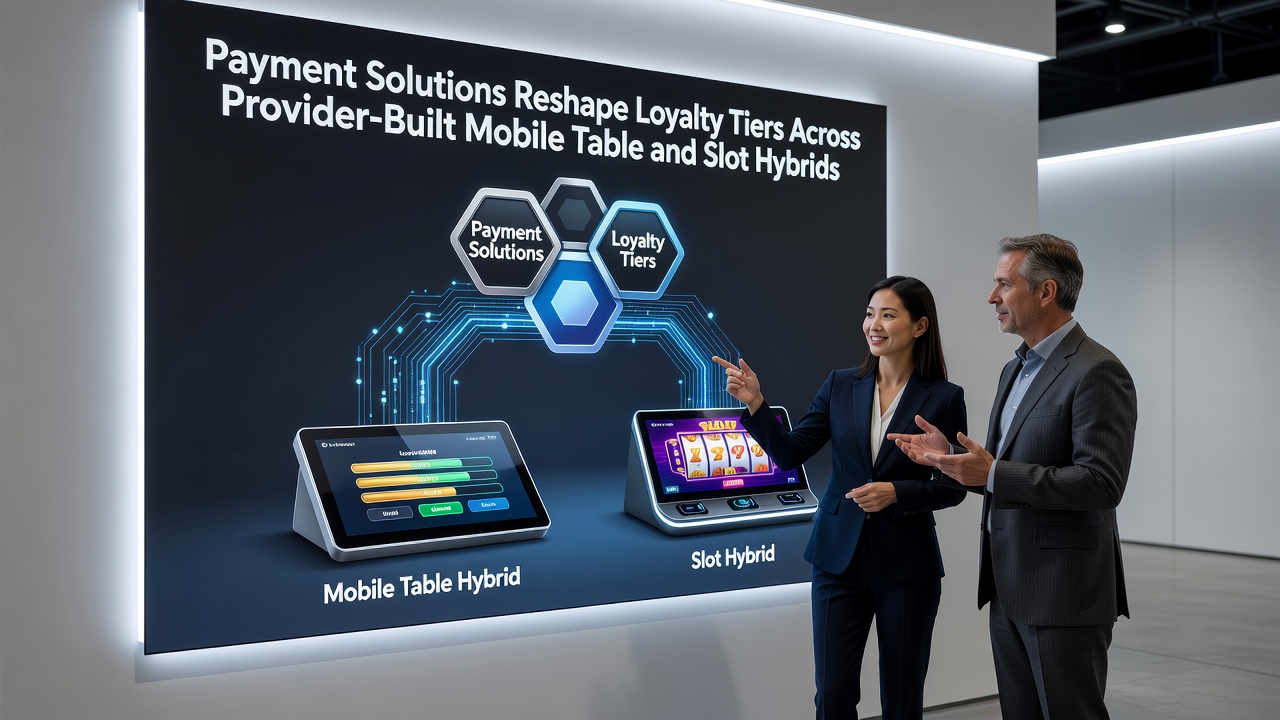
One case examined by analysts at the Canadian Gaming Association demonstrated that a provider revised its tier criteria in August 2026 to include cryptocurrency settlement speed as a weighting factor. Participants who completed deposits via faster rails advanced tiers within days rather than weeks, and the same system credited bonus credits directly to in-game wallets. This change produced measurable shifts in user distribution across bronze, silver, and gold levels without altering the underlying game mathematics.
Provider Examples and Market Data
Multiple studios have released hybrid titles that showcase these payment-loyalty connections. Titles featuring merged blackjack and video slot rounds now display live tier progress bars tied to payment confirmations, and users receive instant notifications when a transaction pushes them into the next bracket. Market tracking from the European Gaming and Betting Association shows that platforms employing these integrations reported a 31 percent increase in average session length during the second quarter of 2026 compared with the same period the previous year. The data further indicate that reward redemption rates climbed because payment systems eliminated the delay between earning points and claiming benefits.
Payment providers have also introduced tier-specific cashback structures that scale with loyalty status, and these structures operate across both table and slot segments of the same hybrid title. Users at upper tiers receive higher percentages returned through the identical rail used for deposits, which reinforces continued play within the ecosystem. Reports compiled by academic researchers at the University of Sydney highlight that such closed-loop mechanisms appear most frequently in markets where regulatory frameworks permit rapid settlement of winnings and bonuses.
Future Trajectories for Payment-Driven Loyalty
Developers continue to test additional payment features such as biometric-linked accounts and instant cross-border transfers that could further tighten the connection between spending behavior and tier advancement. These experiments focus on maintaining compliance while expanding the data points that feed loyalty calculations. Industry observers expect continued refinement of these systems through the remainder of 2026, particularly as more providers release updated hybrid catalogs that rely on unified payment and reward engines.
Conclusion
Payment solutions now function as core components of loyalty architecture inside provider-built mobile table and slot hybrids, reshaping how tiers are earned, maintained, and redeemed. Evidence from multiple research institutions and trade associations demonstrates measurable impacts on engagement metrics and reward delivery speed. As integration deepens, the distinction between transaction processing and loyalty progression narrows, producing systems that respond directly to player payment patterns across combined game formats.