Online Casino Gambling: Core Mechanics, Global Reach, and 2026 Shifts
Online Casino Gambling: Core Mechanics, Global Reach, and 2026 Shifts

Online casino gambling has transformed from niche experiments in the late 1990s into a multibillion-dollar industry that players access via desktops, mobiles, and apps worldwide; platforms host everything from classic slots to immersive live dealer sessions, drawing millions daily because secure tech and diverse games keep engagement high. Data from the American Gaming Association reveals U.S. online casino revenue hit $5.02 billion in 2023 alone, while global figures topped $65 billion that year, with projections climbing toward $100 billion by decade's end since mobile adoption surges and regulations evolve in key markets.
Roots and Rapid Expansion
Those early platforms launched around 1996 when InterCasino claimed the first real-money wager, but growth exploded post-2010 as broadband internet spread; by 2020, smartphones turned casual spins into anytime access, fueling a compound annual growth rate of 11.5% through 2025 according to industry trackers. Now, in April 2026, observers note fresh momentum from AI-driven personalization, where algorithms suggest games based on past plays, boosting retention without altering core randomness.
Europe leads with mature markets in places like Sweden and Germany, yet Asia-Pacific regions such as India and the Philippines show the fastest upticks; take India where smartphone penetration reached 900 million users by 2025, sparking localized apps compliant with state-level rules. And that's not all – Latin America joins the fray too, with Brazil's regulated rollout in early 2025 drawing operators from established hubs.
What's interesting here involves cross-border dynamics, since licensed sites serve players globally but must navigate varying laws; providers like Evolution and NetEnt dominate by supplying RNG-certified games to hundreds of operators, ensuring fairness through third-party audits.
Technologies Powering the Play
Random Number Generators (RNGs) form the backbone, churning out unpredictable outcomes for slots and digital tables millions of times per second; independent labs like iTech Labs verify these systems, confirming no patterns emerge even over billions of spins. Live dealer tech takes it further, streaming real croupiers from studios in Latvia, Malta, and the Philippines via low-latency video, so players chat and bet as if in Vegas – optical character recognition (OCR) captures card values instantly for transparent results.
Security layers stack on top with SSL encryption shielding data, blockchain for provable fairness in some provably fair games, and biometric logins gaining traction; two-factor authentication blocks 99% of unauthorized access attempts, per cybersecurity reports. Mobile optimization shines brightest, as HTML5 lets seamless play across iOS and Android without downloads, while 5G networks in 2026 slash lag to under 20 milliseconds for roulette spins that feel immediate.
Behind the scenes, geolocation tools pinpoint user locations to enforce restrictions – essential since U.S. states like New Jersey and Pennsylvania legalized intrastate play in 2013, expanding to 38 jurisdictions by now. Developers integrate VR elements experimentally, letting users "walk" virtual floors, although mass adoption waits on hardware costs dropping further.
Games That Draw the Crowds
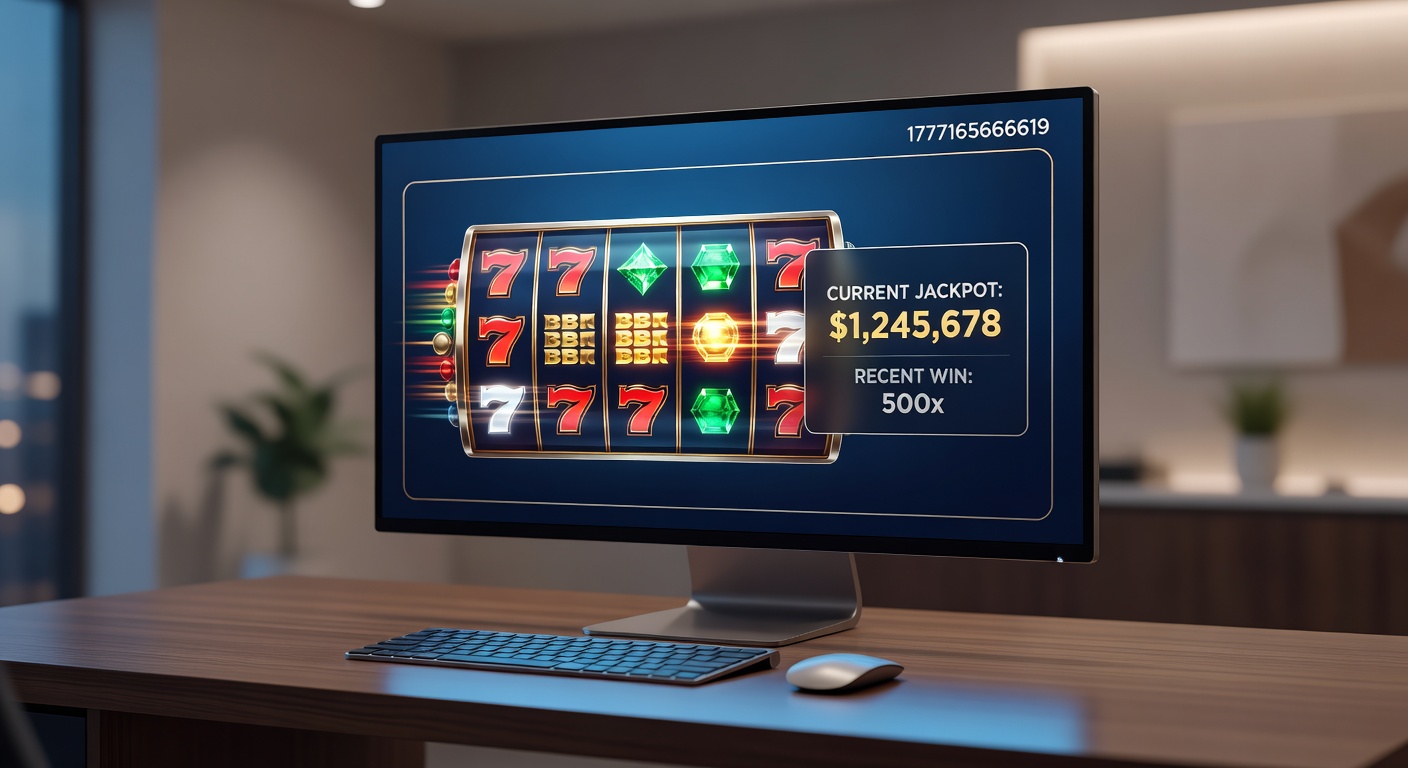
Slots claim 70% of playtime with thousands of titles featuring cascading reels, multipliers, and buy-a-bonus options; classics like Starburst coexist with megaways variants offering 117,649 ways to win, where volatility dictates hit frequency versus payout size. Table games follow closely – blackjack variants like Infinite Blackjack allow unlimited seats at one table, while baccarat's simplicity attracts high-rollers betting up to $100,000 per hand on elite platforms.
Poker rooms thrive on skill elements, with Texas Hold'em tournaments drawing fields of 10,000-plus players weekly; video poker hybrids blend luck and strategy, boasting RTPs (return to player) around 99% for optimal play. Roulette wheels spin in European (single zero) and American (double zero) formats, but lightning variants add multipliers up to 500x on random numbers, spiking excitement without changing house edges fundamentally.
Specialty games round it out – keno, scratch cards, and crash titles like Aviator where multipliers climb until players cash out or bust; data shows crash games surged 300% in popularity since 2022 among under-35s, blending social betting with quick rounds. Providers refresh libraries monthly, so one site might host 5,000+ games from 50 studios, keeping variety endless.
Regulations Across Borders
Operators chase licenses from rigorous bodies to build trust; the European Gaming and Betting Association tracks how Malta's MGA oversees 1,500+ brands serving non-UK Europe, enforcing 96%+ RTP minimums and mandatory responsible gaming tools. In the U.S., the Nevada Gaming Control Board sets gold standards since 2013, mandating server-based systems for real-time audits, while New Jersey's Division of Gaming Enforcement reports $1.8 billion in taxes from online ops last year.
Australia's framework tightens via state regulators like those in New South Wales, capping bets and banning inducements; Canada fragments across provinces, with Ontario's iGaming market launching in 2022 under Alcohol and Gaming Commission oversight, generating CAD 2 billion in wagers by 2025. Emerging spots like Colombia's Coljuegos pioneered Latin regulation in 2016, now taxing gross gaming revenue at 15% to fund social programs.
Compliance means self-exclusion databases, spending limits, and reality checks popping up every hour; underage blocks use ID verification, catching 98% of attempts according to aggregated operator stats. Yet challenges persist where offshore sites skirt rules, prompting players to prioritize .eu or .com domains with clear licensing badges.
Player Patterns and Protection Measures
Demographics skew young – 55% of players fall under 40, with women comprising 45% globally per recent surveys, up from 20% a decade ago since slots appeal broadly. Average sessions last 28 minutes on mobile, peaking evenings and weekends; high-rollers (top 1%) drive 30% of revenue through VIP programs offering cashback up to 15% and dedicated hosts.
Responsible gaming integrates deeply – tools like deposit caps, cool-off periods, and AI flagging excessive play prevent issues; the World Health Organization classifies gaming disorder in 1-3% of players, so platforms partner with hotlines like the National Council on Problem Gambling. Deposit methods diversify too: e-wallets like PayPal and Skrill process 60% of transactions, while instant bank transfers cut wait times to seconds.
One case highlights effectiveness – a 2024 study from researchers at the University of Sydney tracked 5,000 Australian players using self-limits, finding 72% maintained control versus 45% without, underscoring data-driven safeguards. Payout speeds average 24 hours for e-wallets, building loyalty as winners see funds fast.
Looking Ahead to Innovations
April 2026 brings metaverse pilots where avatars join communal tables, and AI croupiers handle low-stakes games 24/7; quantum RNGs promise unbreakable randomness, while skin betting in esports ties casinos to gaming worlds. Sustainability enters too, with green data centers offsetting server energy amid rising scrutiny.
Mobile wallets and CBDCs streamline deposits in regulated zones; expect AR overlays letting players "place" chips on physical tables via phone cams. Growth tempers with tax hikes – Sweden's at 22% on gross, pushing operators to innovate margins – yet user bases expand as Gen Z prioritizes social features like leaderboards and shared wins.
Wrapping Up the Landscape
Online casino gambling stands robust in 2026, blending tech precision with game variety under tightening yet fair regulations; from RNG slots humming endlessly to live streams bridging continents, the sector delivers verifiable entertainment to licensed players worldwide. Figures confirm sustained climbs, protections strengthen daily, and innovations keep the digital tables turning – a landscape where informed choices meet opportunity head-on.