Mobile Gaming Architectures: Integrating Reward Mechanisms with Interactive Dealer Platforms
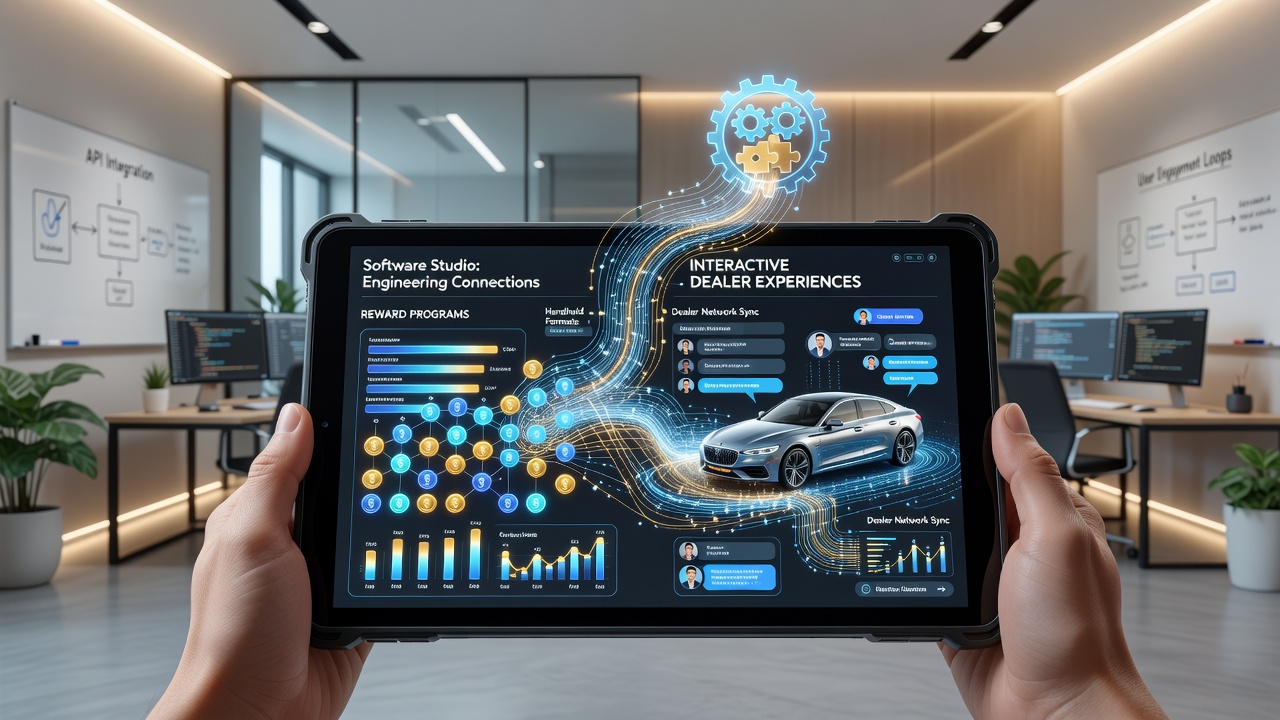
Software studios build connections between reward programs and interactive dealer experiences by designing backend systems that sync player data across mobile sessions in real time, and these architectures rely on standardized APIs that pull loyalty metrics directly into live game interfaces while handheld devices maintain low-latency video streams. Developers create modular codebases where points accumulation triggers visual updates on dealer tables without interrupting gameplay flow, and the same frameworks handle session persistence when users switch between portrait and landscape orientations.
Core Technical Components in Handheld Integration
Teams at major studios separate the reward engine from the dealer interaction layer through containerized microservices, which allows independent scaling during peak usage periods on smartphones and tablets. Data pipelines feed transaction logs from bonus systems into the live dealer module using event-driven architecture, so a player earning tier points during a blackjack round sees immediate status changes displayed beside the dealer feed. Synchronization protocols based on WebSocket connections keep these elements aligned even when network conditions fluctuate across cellular and Wi-Fi handoffs.
Device-specific optimizations play a central role because handheld formats impose constraints on processing power and screen real estate. Studios implement adaptive rendering that reduces video bitrate for dealer streams when reward notifications overlay the interface, and they test these adjustments against hardware profiles from major smartphone manufacturers. Observers note that such layering prevents visual clutter while preserving the interactive elements that define live dealer sessions.
Data Flow Between Loyalty Systems and Live Sessions
Reward programs connect to dealer experiences through unified player profiles stored in cloud databases that update across multiple game instances. When a user completes a qualifying action in one title, the backend pushes updated point balances to any active live dealer table running on the same account, and this occurs without requiring manual refreshes from the player. Studios achieve this by embedding loyalty APIs inside the core game client, allowing the dealer interface to query balances at defined intervals or on specific triggers like round completion.
Security layers wrap these connections using token-based authentication that expires after short windows, which reduces exposure during extended mobile sessions. Encryption protocols protect point values and dealer interaction logs during transmission, and compliance teams audit these flows against standards from regulatory bodies in multiple jurisdictions. Research from the University of Nevada, Las Vegas Center for Gaming Research indicates that such integrated designs have become standard practice among providers targeting portable platforms.
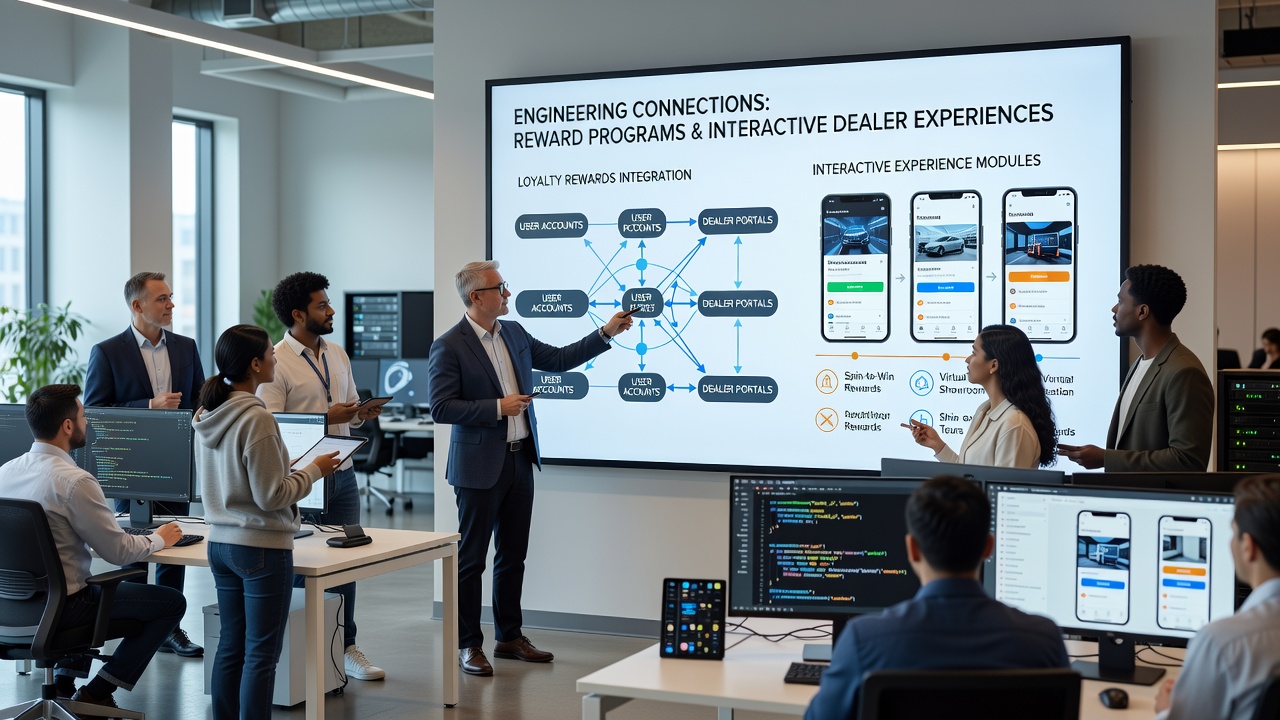
Interface Design Patterns for Seamless User Interaction
Designers position reward indicators within the dealer view using translucent overlays that users can expand for details without leaving the main table. Touch targets for claiming bonuses sit adjacent to betting controls, and gesture recognition distinguishes between game actions and reward redemptions. Studios conduct usability studies on various screen sizes to ensure these elements remain accessible during one-handed operation common with handheld devices.
Animation sequences link the two systems visually, such as particle effects that travel from a completed dealer round toward the loyalty meter. These transitions run at 60 frames per second on mid-range hardware through optimized graphics pipelines, and fallback static indicators activate on older devices. The result keeps players oriented between earning mechanisms and the ongoing interactive experience.
Testing and Deployment Across Global Markets
Quality assurance processes simulate thousands of concurrent mobile sessions to verify that reward updates do not introduce lag into dealer streams. Automated scripts cycle through point awards, level-ups, and tier changes while monitoring frame rates and connection stability on representative device farms. Studios release incremental updates through app stores after passing certification from bodies such as the New Jersey Division of Gaming Enforcement, which evaluates technical integrity in addition to regulatory compliance.
Geographic variations in network infrastructure require further adjustments, with developers in regions like Australia incorporating adaptive buffering based on data from the Australian Communications and Media Authority reports on mobile performance. Updates scheduled around June 2026 focus on incorporating newer compression standards for dealer video to accommodate emerging 5G network expansions in additional markets.
Conclusion
Software studios continue refining the technical bridges between reward programs and interactive dealer features on handheld formats through layered architectures, synchronized data flows, and device-aware interface patterns. These engineering practices support consistent player engagement across sessions while meeting performance demands unique to mobile environments. Industry reports and regulatory evaluations document ongoing adoption of these methods across providers operating in diverse global regions.