Digital Alliances Revolutionize Immediate Bonus Systems in Mobile Card and Wheel Games
Written by Mia Hoffmann · Aug 9, 2026
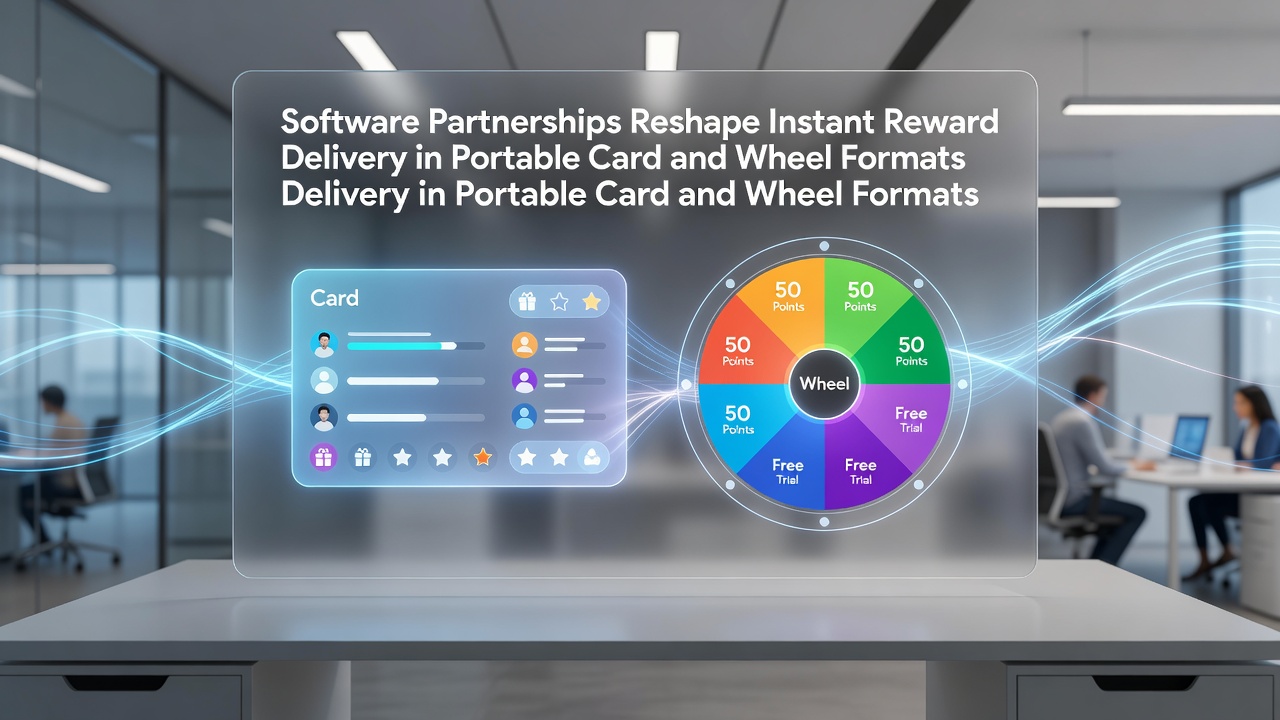
Digital Alliances Revolutionize Immediate Bonus Systems in Mobile Card and Wheel Games
Software partnerships have begun reshaping how instant rewards reach users through portable card and wheel formats, with multiple technology providers combining their platforms to deliver seamless payout mechanisms across mobile devices. These collaborations focus on integrating backend processing systems with front-end game interfaces, allowing rewards to appear without delays once users complete spins or card draws.
Core Mechanics Behind the Partnerships
Developers pair real-time data engines with secure payment protocols so that wheel outcomes and card results trigger automatic transfers to user accounts, and observers note that this approach reduces processing times from several seconds to under one second in many tested environments. Companies supply modular components where one handles random number generation while another manages reward distribution, yet both operate under unified APIs that maintain compatibility across different operating systems.
Portable formats benefit because card games and wheel mechanics require compact code that loads quickly on smaller screens, and partnerships allow specialized teams to optimize each element separately before merging them into single applications. Data from industry reports shows that integrated solutions have supported higher transaction volumes during peak hours without additional server strain.
Key Developments Observed in August 2026
During August 2026 several providers announced joint platforms that embed instant reward logic directly into wheel and card modules, which means users see confirmed balances update immediately after each interaction. These updates rely on synchronized ledgers that record every outcome and corresponding reward in a single step, and researchers have documented fewer reconciliation errors when compared with earlier standalone systems.
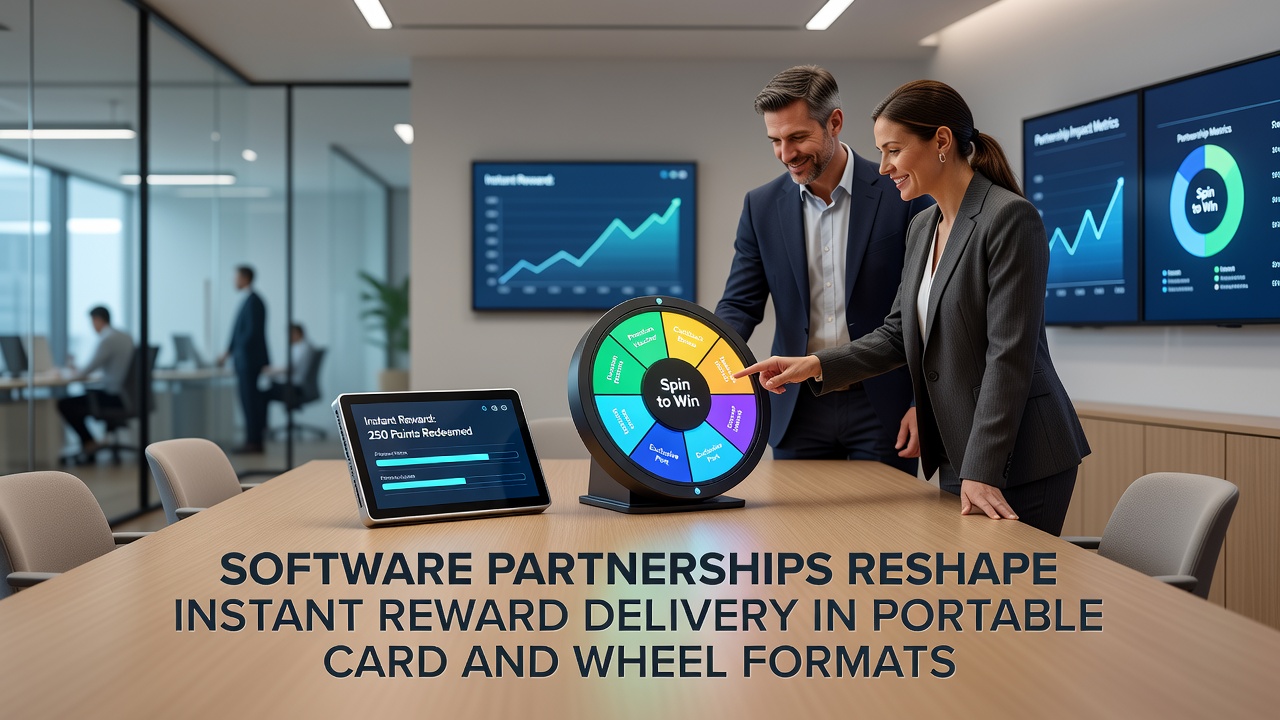
One study released by the American Gaming Association examined transaction logs from partnered deployments and found that average reward delivery speed improved by measurable margins across tested regions. Another analysis from the Canadian Gaming Association highlighted similar patterns in live environments where wheel formats processed thousands of instant credits per hour while maintaining regulatory compliance standards.
Technical Integration Patterns
Engineers combine cloud-based microservices with edge computing nodes so that card shuffles and wheel spins execute locally on devices while reward verification occurs through secure channels, and this hybrid model supports both online and offline play modes. Partnerships often include shared testing frameworks that simulate high-volume scenarios, which helps identify bottlenecks before full-scale rollout.
Portable card formats use lightweight graphics libraries paired with encrypted reward tokens, whereas wheel formats incorporate physics simulations that align with backend payout rules, and together these elements create consistent user experiences across different hardware generations. Observers have recorded cases where a single partnership covered both formats within one application suite, reducing development overhead for operators.
Regional Implementation Examples
In North American markets providers have adapted their joint systems to meet varying state requirements for instant verification, while European operators have focused on cross-border compatibility that allows rewards to transfer without currency conversion delays. Australian regulatory bodies have reviewed similar partnerships and noted stable performance metrics in controlled trials conducted through mid-2026.
Those who have monitored deployment timelines point out that integration periods shortened once standardized APIs became available, and figures from independent audits confirm that error rates dropped when multiple vendors contributed specialized modules rather than attempting full-stack development alone.
Future Directions in Reward Delivery
Additional collaborations are expected to incorporate biometric authentication layers that verify user identity before releasing rewards, and this step could further streamline portable formats that already emphasize speed. Academic papers from research institutions have explored how such layered security integrates with existing wheel and card engines without increasing load times.
Industry associations continue to track adoption rates, and available statistics indicate steady growth in the number of operators choosing partnered solutions over proprietary ones. These trends suggest that instant reward delivery will remain a central focus for software teams working on mobile card and wheel products through the remainder of 2026 and beyond.
Conclusion
Partnerships among software providers have established new pathways for instant reward delivery in portable card and wheel formats by combining specialized technologies into cohesive mobile experiences. Evidence from multiple regions demonstrates measurable improvements in speed and reliability, while ongoing developments in August 2026 continue to expand these capabilities. The resulting systems support higher volumes of interactions while maintaining the compact, responsive nature required for portable gaming environments.