Developer Approaches to Integrating Secure Payment Solutions with Live Dealer VIP Rewards on Mobile Devices
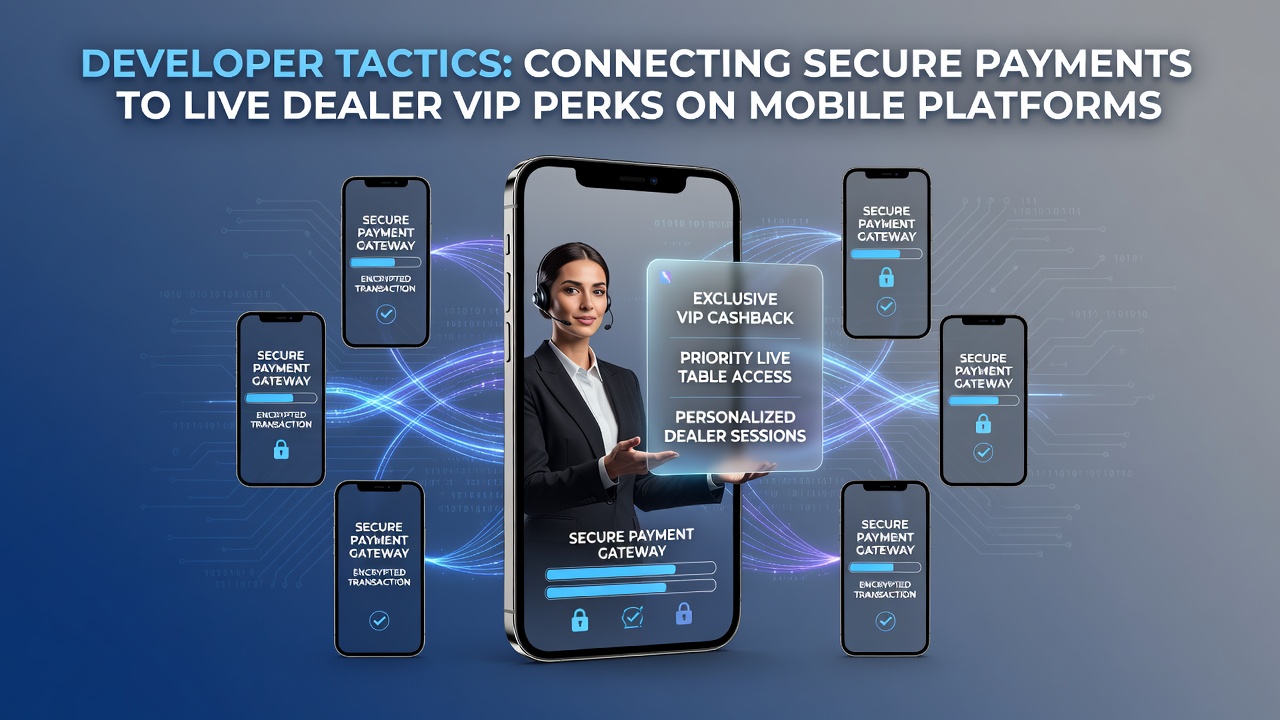
Developers have been building connections between encrypted payment processing and live dealer environments on mobile platforms so that verified transactions unlock tiered access to premium tables and exclusive rewards. These integrations rely on tokenization protocols and real-time verification layers that confirm player status before granting entry to high-limit blackjack or roulette sessions hosted by professional dealers. Payment gateways communicate directly with backend loyalty systems and the result is that deposits processed through approved methods automatically adjust available perks such as reduced rake or priority seating without additional steps. Mobile frameworks now embed biometric authentication alongside payment authorization so that a single fingerprint or facial scan both completes the transfer and signals VIP eligibility to the live dealer server. This dual-purpose check reduces latency between funding an account and joining an exclusive stream. Data from transaction logs shows that sessions initiated through these combined channels last longer on average because players move straight into preferred game types once the system registers their upgraded status.
Core Technical Connections
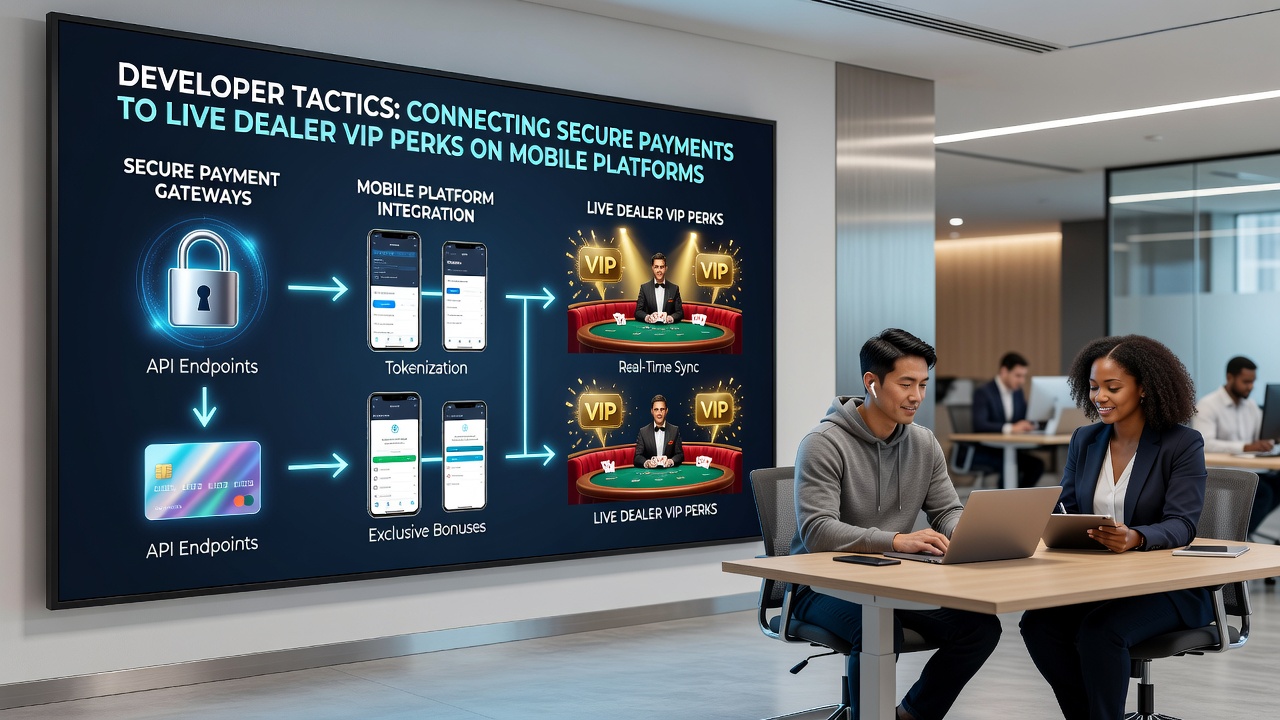
Engineers at several studios have standardized API calls that pass encrypted payment confirmation tokens straight into the live dealer lobby logic. The token carries metadata about deposit size and frequency and the dealer platform reads those fields to assign table access or bonus multipliers on the spot. Such handoffs occur within milliseconds on modern 5G networks and keep the experience seamless for users who switch between portrait and landscape views during play. Developers also embed compliance checks from the Payment Card Industry Security Standards Council guidelines directly into the mobile SDK so that every VIP-linked transaction meets encryption requirements before the live stream activates. When a player reaches a new loyalty tier the system pushes an updated profile flag to the dealer software and that flag determines which side bets or camera angles become available. Observers note that these flags update reliably across iOS and Android builds because the underlying libraries handle platform-specific security modules in the same way.
Mobile-Specific Implementation Patterns
Teams have shifted toward progressive web app structures that allow instant updates to both payment and dealer modules without full app store resubmissions. A single code branch manages the secure socket layer for payments and the WebRTC stream for live video so that VIP status changes propagate instantly to both components. Case studies from development teams reveal that this unified approach cuts integration testing time by nearly half compared with separate codebases. Push notification services tied to payment events further enhance the loop by alerting players when a deposit qualifies them for a new dealer room or when accumulated activity unlocks a private tournament. The notifications contain deep links that open the app directly at the authenticated table and the payment token travels with the link to avoid re-verification. Research from industry reports indicates that this notification-to-table flow increases repeat engagement on mobile devices during evening peak hours.
Security and Compliance Layers
Secure payment rails incorporate multi-factor elements that double as identity proofs for VIP programs and this overlap lets developers avoid redundant data collection. When a player completes a transaction above a defined threshold the gateway returns a signed assertion that the dealer platform accepts as proof of eligibility for perks such as personalized dealer greetings or custom betting limits. The approach aligns with standards referenced in reports from the Nevada Gaming Control Board which track how transaction verification supports responsible play features. Encryption keys rotate on a schedule that matches the frequency of loyalty tier recalculations and this synchronization prevents stale credentials from blocking access to live rooms. Developers test these rotations under simulated network conditions to confirm that mobile connections remain stable even when a player moves between Wi-Fi and cellular data mid-session. The resulting stability supports continuous dealer interaction without interruption to the VIP experience.
Examples from Current Deployments
One studio integrated its payment processor with a live dealer supplier so that every deposit above a set amount automatically credits a player with a temporary seat reservation at a private baccarat table. The reservation appears in the mobile interface within seconds and the dealer software recognizes the player by the same identifier used for the payment. Similar patterns appear in platforms serving markets outside the UK where local regulators such as iGaming Ontario publish guidelines on transaction-linked rewards. Another implementation uses batch processing for smaller deposits that accumulate toward VIP milestones and the batch summary triggers a single status update that unlocks multiple perks at once. This method reduces the number of individual API calls and keeps mobile battery usage lower during extended sessions. Figures from platform analytics show that users who benefit from these batch-triggered rewards tend to maintain higher average balances across consecutive days.
Conclusion
Developers continue refining the pathways that link verified payments to live dealer privileges on mobile platforms and the resulting systems deliver both security and convenience through shared data flows. These tactics rely on established encryption standards, unified APIs, and platform-native authentication methods that keep VIP features responsive and compliant. As mobile infrastructure evolves further integrations are expected to maintain the same core principle of connecting transaction security directly to enhanced dealer experiences.